
Measuring What Matters: KPIs That Actually Reflect Impact in a ROWE Model
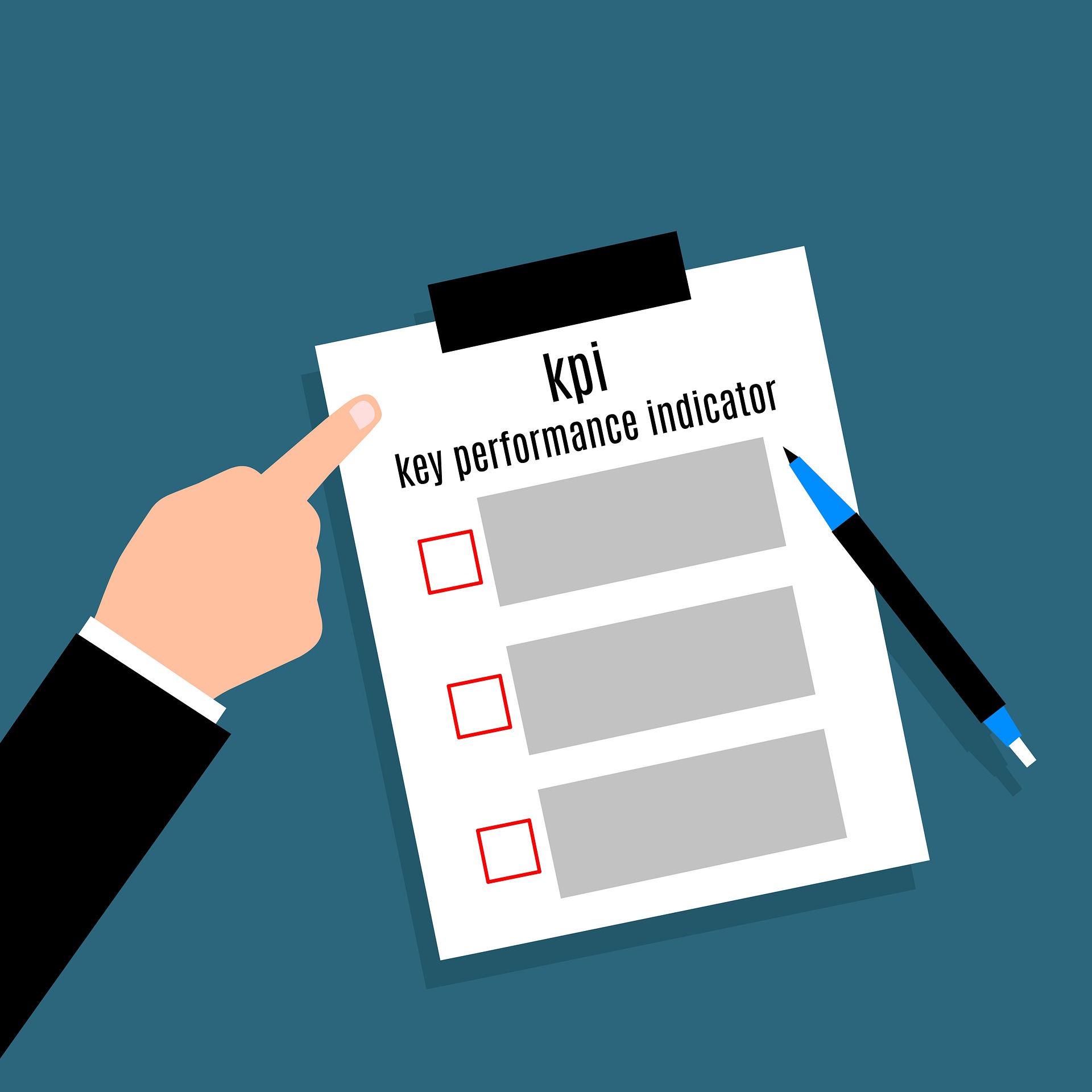 In most non-profits, performance is measured by presence, activity, and output.
Who responded fastest?
Who attended every meeting?
Who sent the most emails?
But in a ROWE model, those metrics miss the point.
ROWE stands for Results Only Work Environment. That means what matters is not how busy someone looks, but what they actually deliver.
So, if you’re serious about ROWE, you must rethink how you measure success.
Because what gets measured gets valued. And if you keep tracking activity, you’ll keep rewarding visibility, not impact.
Why Traditional KPIs Fall Short
Most performance indicators were built for industrial-era work. They assume:
– Work happens in predictable blocks of time
– Output can be counted in hours or tasks
– Value is tied to responsiveness and availability
But in mission-driven work, real impact is often messy, nonlinear, and hard to count.
Did that quiet conversation with a partner shift a strategy?
Did the research done at midnight lead to a breakthrough?
Did stepping back for a week prevent burnout and sustain long term contribution?
Traditional KPIs don’t capture that.
Instead, they reward the loud, the fast, the always on, even when the deeper work happens in stillness.
And that undermines ROWE before it begins.
If your metrics still say, “be visible,” no policy will convince people to truly trust the system.
Shifting to Impact-Based Metrics
In a ROWE model, KPIs must reflect real results, not just activity.
That means moving from:
– “Number of outreach calls made” to “Number of new community partners engaged”
– “Hours spent on program design” to “Program launched and adopted by target group”
– “Email response time” to “Key decisions made or roadblocks removed”
It’s not about measuring less. It’s about measuring better.
Focus on outcomes that align with mission, sustainability, and team health.
Examples:
– Projects completed on time and within scope
– Stakeholder feedback scores
– Reduction in staff turnover or burnout indicators
– Number of initiatives led by team members without manager oversight
– Progress on long term goals, not just short-term tasks
These metrics support autonomy. They allow people to manage their time, energy, and approach, as long as the result is achieved.
And they send a clear message: *We care about what you accomplish, not how you appear to be working.*
The Role of Trust and Clarity
KPIs only work in ROWE if two things are in place: clarity and trust.
Clarity means every team member knows exactly what success looks like. No ambiguity. No guessing.
Trust means leaders don’t second guess *how* work gets done, as long as the result is delivered.
Without both, people will revert to proving they’re “working” – logging hours, over communicating, avoiding rest – just to stay safe.
So, define results upfront. Co-create them with your team. Make them specific, meaningful, and mission aligned.
Then step back.
Let people find their rhythm.
Because when you measure what actually matters, you don’t just get better results.
You build a culture where people can thrive without burning out.
Recent Comments