by virtualworks | Jul 13, 2026 | business growth, Leadership, Leadership & Trust, life work balance, Mastery, Outsourcing, Productivity, Remote Office Management, ROWE, Time Management, Virtual Assistant, working from home, working remotely
 The most common question we hear from leaders considering ROWE is simple:
“How do I know people are working?”
It’s not about control. It’s about care.
They want to know their team is engaged. That work is moving. That trust isn’t being misplaced.
But in a ROWE model, the answer isn’t more oversight. It’s better design.
ROWE — Results Only Work Environment — asks managers to shift from monitoring activity to clarifying outcomes. From watching effort to trusting delivery. From managing time to supporting impact.
That’s not easy. It goes against decades of workplace conditioning. But it’s possible. And for non profits committed to equity, sustainability, and mission, it’s necessary.
The Myth of Visibility
We’ve been trained to equate visibility with productivity.
Someone replies fast? They’re on it.
They’re online late? They care.
They attend every meeting? They’re committed.
But in mission-driven work, real progress often happens off screen.
A strategy shift sparked during a walk.
A donor relationship deepened over a quiet call.
A program design refined after hours of focused thought.
If we only value what we can see, we reward performance, not contribution.
ROWE breaks that cycle. It says: It doesn’t matter when or where the work happens. What matters is that it gets done.
And that requires a new kind of leadership — one built on clarity, not surveillance.
From Oversight to Outcomes
The shift starts with one question: “What does success look like?”
Not “How many hours did they work?”
Not “Were they online during core time?”
But “Did the result happen?”
That means defining outcomes with precision. Not “work on the grant,” but “submit the full proposal by Friday.” Not “support the team,” but “resolve the three open blockers by end of week.”
Clear outcomes remove ambiguity. They give people freedom to manage their time, energy, and approach — without guessing what’s expected.
And they allow leaders to measure what actually matters.
In ROWE, trust isn’t given conditionally. It’s built into the structure.
You don’t earn trust by being visible. You keep it by delivering results.
And when something doesn’t get done, the conversation isn’t “Where were you?”
It’s “What got in the way? How can I help?”
That’s not leniency. It’s leadership.
The Manager’s New Role
In a ROWE world, the manager isn’t an overseer. They’re a clarity partner, a blocker remover, a support.
Their job is to:
- Define results with precision
- Align work with mission
- Remove structural barriers
- Support sustainable contribution
They don’t track hours. They track progress.
They don’t ask “Did you work on it?” They ask “Is it moving forward?”
And when trust is broken – when results don’t happen – they respond with curiosity, not punishment.
“What’s going on? How can we adjust?”
Not “Why weren’t you online?”
That kind of leadership builds accountability from the inside out. It fosters ownership, not compliance.
And it signals something powerful: I see you as a professional. I trust your judgment. I value your contribution.
Leading the Shift
This doesn’t happen overnight. Old habits linger. Anxiety surfaces. Leaders worry they’re losing control.
But control was an illusion.
What we’re building is something stronger: shared responsibility.
Start small. Pick one project. Define the outcome clearly. Let go of the how.
See what happens. Then do it again.
Over time, the team learns to manage their own rhythm.
The manager learns to lead without hovering.
And the culture shifts — from one of surveillance to one of trust.
That’s not just better for people. It’s better for the mission.
Because when we stop policing presence, we free up energy for real impact.
And that’s what non-profits are here to do.
by virtualworks | Apr 19, 2026 | Culture & Equity, Leadership, life work balance, Mastery, Productivity, ROWE, Team Work, Time Management, working from home, working remotely
 Caregivers keep the world running.
They get the kids to school, pack lunches, manage appointments, answer late night calls, and show up at work, often on fumes.
In nonprofits, many caregivers are also deeply committed to their mission. They show up early, stay late, and carry emotional weight beyond their job description. But when caregiving and work collide, something has to give.
Too often, it’s the caregiver.
Traditional work structures assume a mythical person: available during set hours, unburdened by urgent personal needs, able to separate “work life” from “home life” with ease. But that person doesn’t exist, especially not for caregivers.
ROWE changes the equation. It doesn’t ask caregivers to fit in. It asks the workplace to make space.
And that’s not generosity. It’s necessity.
The Hidden Cost of “Always On”
Caregivers – whether for children, aging parents, or loved ones with disabilities – live in a state of constant unpredictability.
A child gets sick. A parent falls. A therapy appointment is rescheduled at the last minute. A school closes early.
None of these are emergencies to the world. But they are to the caregiver.
In a time based work model, these moments become crises. Taking time off feels risky. Logging on late feels like falling behind. Being “off” during core hours feels like failing.
The result? Caregivers learn to hide. They power through. They apologize constantly. They burn out quietly.
And organizations wonder why retention is low.
ROWE removes the crisis. It says: *Deliver your work. Manage your time. We trust you.*
That trust isn’t a perk. It’s what allows caregiving and contribution to coexist.
Flexibility as Dignity
Caregiving isn’t a side note. It’s central to who people are.
When a workplace demands rigid hours, it sends a quiet message: *Your care work doesn’t matter. Your family is a distraction.*
ROWE flips that. It says: *We see you. We know your life isn’t confined to a schedule. And we value your contribution, on terms that respect your reality.*
That’s not just supportive. It’s dignifying.
It means a parent can take their child to a therapy session and make up focus time later.
It means a daughter caring for an aging parent can adjust her rhythm without fear.
It means someone supporting a loved one through illness doesn’t have to choose between compassion and career.
In ROWE, caregiving isn’t a liability. It’s part of the human context we all work within.
Beyond the “Working Mom” Narrative
When we talk about caregivers, we often picture working mothers. And yes, many women bear the brunt of unpaid care work.
But caregivers are also fathers, partners, siblings, adult children, friends. They are men taking paternity leave. They are staff supporting spouses through illness. They are employees navigating cultural expectations around elder care.
ROWE doesn’t single anyone out. It creates a culture where *everyone* can care without penalty.
No explanations. No exceptions. No hierarchy of whose needs “count.”
The structure itself becomes the support.
And over time, that builds loyalty, resilience, and deeper connection to mission.
Because when people feel seen, they give more. Not because they have to, but because they want to.
by virtualworks | Apr 4, 2026 | Culture & Equity, Leadership, life work balance, Productivity, Remote Office Management, ROWE, Time Management, working remotely
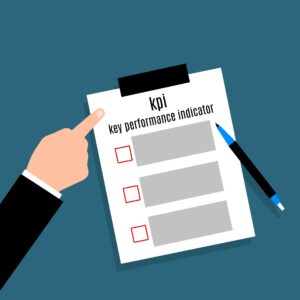 In most non-profits, performance is measured by presence, activity, and output.
Who responded fastest?
Who attended every meeting?
Who sent the most emails?
But in a ROWE model, those metrics miss the point.
ROWE stands for Results Only Work Environment. That means what matters is not how busy someone looks, but what they actually deliver.
So, if you’re serious about ROWE, you must rethink how you measure success.
Because what gets measured gets valued. And if you keep tracking activity, you’ll keep rewarding visibility, not impact.
Why Traditional KPIs Fall Short
Most performance indicators were built for industrial-era work. They assume:
– Work happens in predictable blocks of time
– Output can be counted in hours or tasks
– Value is tied to responsiveness and availability
But in mission-driven work, real impact is often messy, nonlinear, and hard to count.
Did that quiet conversation with a partner shift a strategy?
Did the research done at midnight lead to a breakthrough?
Did stepping back for a week prevent burnout and sustain long term contribution?
Traditional KPIs don’t capture that.
Instead, they reward the loud, the fast, the always on, even when the deeper work happens in stillness.
And that undermines ROWE before it begins.
If your metrics still say, “be visible,” no policy will convince people to truly trust the system.
Shifting to Impact-Based Metrics
In a ROWE model, KPIs must reflect real results, not just activity.
That means moving from:
– “Number of outreach calls made” to “Number of new community partners engaged”
– “Hours spent on program design” to “Program launched and adopted by target group”
– “Email response time” to “Key decisions made or roadblocks removed”
It’s not about measuring less. It’s about measuring better.
Focus on outcomes that align with mission, sustainability, and team health.
Examples:
– Projects completed on time and within scope
– Stakeholder feedback scores
– Reduction in staff turnover or burnout indicators
– Number of initiatives led by team members without manager oversight
– Progress on long term goals, not just short-term tasks
These metrics support autonomy. They allow people to manage their time, energy, and approach, as long as the result is achieved.
And they send a clear message: *We care about what you accomplish, not how you appear to be working.*
The Role of Trust and Clarity
KPIs only work in ROWE if two things are in place: clarity and trust.
Clarity means every team member knows exactly what success looks like. No ambiguity. No guessing.
Trust means leaders don’t second guess *how* work gets done, as long as the result is delivered.
Without both, people will revert to proving they’re “working” – logging hours, over communicating, avoiding rest – just to stay safe.
So, define results upfront. Co-create them with your team. Make them specific, meaningful, and mission aligned.
Then step back.
Let people find their rhythm.
Because when you measure what actually matters, you don’t just get better results.
You build a culture where people can thrive without burning out.
by virtualworks | Mar 23, 2026 | Business, business growth, Culture & Equity, daily lfe, Leadership, life work balance, Mastery, office management, Outsourcing, Productivity, remote meetings, Remote Office Management, ROWE, Team Work, Time Management, Virtual Assistant, working from home, working remotely
 In non-profits, we talk a lot about resource gaps. Funding. Staffing. Burnout.
But there’s another shortage that shapes everything: time.
Not the abstract kind. The real, daily struggle of having too much to do and too little control over when or how it gets done. That’s time poverty. And it doesn’t affect everyone equally.
For some, time is flexible. They can shift their day to attend a school event, rest when they’re unwell, or take a mental health break without question. For others, time is rigid.
They’re expected to be available, visible, and “on” during set hours, no matter what else is happening in their lives.
The difference isn’t effort. It’s power.
And ROWE flips that imbalance by treating time as a personal resource, not a compliance tool.
What Is Time Poverty?
Time poverty isn’t just being busy. It’s the lack of autonomy over your schedule, especially when life demands more than a 9 to 5 can hold.
It shows up when:
- A staff member can’t attend their child’s school play because it falls during work hours
- A caregiver delays a doctor’s appointment to avoid using PTO
- A team member works late every night just to meet expectations set by in office norms
- Someone feels they must be online all day to prove they’re “really working” remotely
These aren’t edge cases. They’re patterns. And they fall most heavily on women, racialized staff, caregivers, people with disabilities, and those without privilege to negotiate flexibility.
In traditional models, time is policed. Attendance. Availability. Responsiveness. All become proxies for commitment, even when they don’t reflect actual contribution.
ROWE challenges that. It says: What matters is what you deliver, not how you arrange your hours.
And in that shift, time power is redistributed.
Agency, Not Just Flexibility
ROWE isn’t just about working from home or setting your own hours. It’s about agency, the ability to make real choices about how you live and work.
When people have agency, they can:
Block time for deep focus when they’re most alert
Step away to manage a personal need without guilt
Recharge before burnout sets in
Show up fully, not just constantly
That kind of control isn’t a perk. It’s a form of equity.
And in non profits, where staff often give more than they’re paid to, agency becomes a form of respect. It says: We see you as a whole person, not just a role.
ROWE as a Structural Equalizer
Most workplace flexibility is granted through exception, not design. Someone asks for an accommodation. A manager says yes or no. The power stays at the top.
ROWE changes that by building flexibility into the system. No requests. No justifications. No visibility bias.
Everyone operates under the same principle: focus on results.
That levels the playing field. The single parent, the night owl, the person managing chronic pain, they’re no longer asking for special treatment. They’re working within a structure that already supports them.
And that’s the difference between inclusion as an afterthought and inclusion as infrastructure.
When time power is shared, not rationed, people can contribute sustainably. They don’t have to choose between their well being and their work. They can do both.
And that’s not just fair. It’s how non profits stay resilient, adaptive, and true to their mission.
by virtualworks | Feb 23, 2026 | Accomplishments, Business, Culture & Equity, daily lfe, Leadership, life work balance, Mastery, Productivity, ROWE, working remotely
 We talk a lot about flexibility in non-profits—but too often, it’s offered unevenly. The parent with young kids? Maybe they can work from home. The staff member managing a chronic illness? They might get an accommodation. But everyone else? Back to the office, back to the clock.
What if flexibility wasn’t a favor—but a foundation?
That’s where ROWE changes everything.
The Myth of Neutral Structure
We often assume that “the way we’ve always worked” is fair simply because it’s consistent. But consistency without context isn’t equity—it’s exclusion in disguise.
A 9-to-5 schedule, in-office expectations, rigid meeting times—these aren’t neutral. They reflect a specific way of living, a specific set of supports. And for many, that structure creates invisible barriers.
Caregivers. People with disabilities. Neurodivergent staff. Those managing mental health. Commuters from underserved neighborhoods. All are asked to conform—not to contribute.
ROWE flips the script by focusing on results, not routines. It stops measuring presence and starts valuing impact.
And that shift isn’t just practical. It’s powerful.
Flexibility as a Lever for Belonging
When you stop tying worth to visibility, something shifts.
People no longer have to hide their needs to be seen as committed.
They don’t have to choose between showing up for their family and showing up at work.
They can design their work around their lives—instead of the other way around.
That’s not just flexibility. That’s dignity.
And when people feel they truly belong, they bring more of themselves to the mission. Their ideas, their energy, their resilience—all of it deepens your organization’s capacity.
ROWE doesn’t guarantee equity on its own. You still need inclusive hiring, pay transparency, and ongoing listening. But it removes one of the biggest structural barriers: the assumption that “real work” looks one specific way.
Who Holds the Power to Adapt?
Equity isn’t just about who gets to participate. It’s about who gets to shape the environment.
In most organizations, the power to adapt flows one way: employees adjust to the system. But in a true ROWE culture, the system learns to support the people.
That’s not leniency. It’s leadership.
And it sends a clear message: We don’t expect you to fit in. We’re building a space where you can show up.
So, here’s the question:
If flexibility is power, who currently holds it—and who’s being left out?
Let’s make sure the answer is no one.
We’d love to hear your thoughts in the comments. Have you seen flexibility deepen inclusion on your team? Or reinforce existing gaps? Share your experience by posting on LinkedIn.

 The most common question we hear from leaders considering ROWE is simple:

Recent Comments