by virtualworks | Apr 4, 2026 | Culture & Equity, Leadership, life work balance, Productivity, Remote Office Management, ROWE, Time Management, working remotely
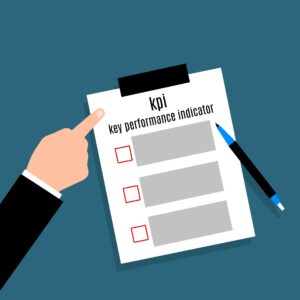 In most non-profits, performance is measured by presence, activity, and output.
Who responded fastest?
Who attended every meeting?
Who sent the most emails?
But in a ROWE model, those metrics miss the point.
ROWE stands for Results Only Work Environment. That means what matters is not how busy someone looks, but what they actually deliver.
So, if you’re serious about ROWE, you must rethink how you measure success.
Because what gets measured gets valued. And if you keep tracking activity, you’ll keep rewarding visibility, not impact.
Why Traditional KPIs Fall Short
Most performance indicators were built for industrial-era work. They assume:
– Work happens in predictable blocks of time
– Output can be counted in hours or tasks
– Value is tied to responsiveness and availability
But in mission-driven work, real impact is often messy, nonlinear, and hard to count.
Did that quiet conversation with a partner shift a strategy?
Did the research done at midnight lead to a breakthrough?
Did stepping back for a week prevent burnout and sustain long term contribution?
Traditional KPIs don’t capture that.
Instead, they reward the loud, the fast, the always on, even when the deeper work happens in stillness.
And that undermines ROWE before it begins.
If your metrics still say, “be visible,” no policy will convince people to truly trust the system.
Shifting to Impact-Based Metrics
In a ROWE model, KPIs must reflect real results, not just activity.
That means moving from:
– “Number of outreach calls made” to “Number of new community partners engaged”
– “Hours spent on program design” to “Program launched and adopted by target group”
– “Email response time” to “Key decisions made or roadblocks removed”
It’s not about measuring less. It’s about measuring better.
Focus on outcomes that align with mission, sustainability, and team health.
Examples:
– Projects completed on time and within scope
– Stakeholder feedback scores
– Reduction in staff turnover or burnout indicators
– Number of initiatives led by team members without manager oversight
– Progress on long term goals, not just short-term tasks
These metrics support autonomy. They allow people to manage their time, energy, and approach, as long as the result is achieved.
And they send a clear message: *We care about what you accomplish, not how you appear to be working.*
The Role of Trust and Clarity
KPIs only work in ROWE if two things are in place: clarity and trust.
Clarity means every team member knows exactly what success looks like. No ambiguity. No guessing.
Trust means leaders don’t second guess *how* work gets done, as long as the result is delivered.
Without both, people will revert to proving they’re “working” – logging hours, over communicating, avoiding rest – just to stay safe.
So, define results upfront. Co-create them with your team. Make them specific, meaningful, and mission aligned.
Then step back.
Let people find their rhythm.
Because when you measure what actually matters, you don’t just get better results.
You build a culture where people can thrive without burning out.
by virtualworks | Nov 3, 2025 | Business, business growth, Customer relationships, KPI, Leadership, life work balance, Mastery, office management, Outsourcing, Productivity, remote meetings, Remote Office Management, ROWE, Team Work, Time Management, Virtual Assistant, working from home, working remotely
 In our ongoing exploration of the Results-Only Work Environment (ROWE), we’ve examined the importance of autonomy, trust, and productivity in creating a successful and sustainable workplace culture. A critical aspect of this framework is effective communication, which ensures that employees understand expectations, collaborate effectively, and maintain a sense of connection within the organization. In this fourteenth installment, we’ll discuss setting communication expectations, implementing effective communication strategies, and maintaining a collaborative and connected environment in a ROWE setting.
Setting Communication Expectations
Establishing clear communication guidelines is essential for fostering a successful ROWE. Consider the following strategies to set communication expectations:
- Define communication channels: Determine the primary communication methods your organization will use, such as email, instant messaging, video conferencing, or project management tools. Ensure all employees are aware of these channels and know how to use them effectively. Establish specific protocols for each channel, such as using email for formal communication and instant messaging for more casual or urgent matters.
- Create response time guidelines: Set expectations for response times during work hours, including how quickly employees should respond to messages or requests. Clarifying these guidelines can help prevent misunderstandings and ensure timely communication without imposing strict work schedules. Take into account the different roles within your organization and adjust response times accordingly, considering factors like client-facing roles or team dependencies.
- Establish communication protocols: Develop standardized processes for sharing information, providing feedback, and managing conflicts. This may involve creating templates for common communications, outlining escalation procedures, or defining specific roles for communication within teams. For example, you could designate a communication lead within each team to ensure that information is disseminated effectively and efficiently.
Implementing Effective Communication Strategies
In addition to setting clear expectations, implementing effective communication strategies is crucial for maintaining open and transparent dialogue in a ROWE. Consider the following approaches:
- Regular check-ins: Schedule regular check-ins with employees to discuss progress, goals, and challenges. This can help ensure that everyone stays on track and provides an opportunity for employees to raise any concerns or questions. Use a combination of one-on-one and team check-ins to address individual and collective needs.
- Team meetings and collaboration: Schedule team meetings to facilitate collaboration, share updates, and provide a platform for idea exchange. These meetings can be virtual or in-person and should have a clear purpose to avoid wasting employees’ time. Encourage active participation and make sure all team members have the chance to contribute and share their perspectives.
- Feedback and recognition: Encourage employees to give and receive constructive feedback, share successes, and acknowledge the contributions of their colleagues. This can help foster a positive and supportive work environment while promoting personal and professional growth. Implement formal and informal feedback mechanisms, such as performance reviews, peer-to-peer recognition programs, or even a simple “kudos” channel on your communication platform.
Maintaining a Collaborative and Connected Environment
Creating a sense of connection and collaboration is essential for employee engagement and satisfaction in a ROWE. Consider the following strategies to foster a collaborative and connected environment:
- Social events and team-building activities: Organize virtual or in-person social events and team-building activities to help employees bond and build relationships. This can help counteract feelings of isolation that may arise in a flexible work environment. Engage employees in the planning process to ensure activities are inclusive, enjoyable, and reflect your team’s unique interests and dynamics.
- Open knowledge-sharing platforms: Establish channels or platforms where employees can share knowledge, resources, and best practices. Encouraging a culture of knowledge-sharing can help employees learn from one another, improve their skills, and enhance overall productivity. Examples include internal wikis, discussion forums, or even regular “lunch and learn” sessions where employees share their expertise or experiences.
- Encourage informal communication: Create spaces or opportunities for informal communication, such as virtual water coolers, coffee breaks, or social media groups. This can help employees maintain a sense of connection and camaraderie, even when working remotely or on different schedules. Encourage managers to lead by example, participating in these informal channels and fostering an open and approachable atmosphere.
In conclusion, clear communication is essential for fostering a successful Results-Only Work Environment. By setting communication expectations, implementing effective strategies, and maintaining a collaborative and connected environment, organizations can ensure that employees feel informed, supported, and engaged. This, in turn, can lead to increased productivity, satisfaction, and retention in the ROWE framework.
by virtualworks | Apr 14, 2024 | Accomplishments, daily lfe, Mastery, Productivity, Time Management
 Who doesn’t have a ‘bad’ day?
We all do sometimes, and these days it seems like there are a lot of them. A recent bad day was experienced by a friend of mine, let’s call her “R”. Picture this:
After a restless night’s sleep, “R” wakes up with an incredible headache and stumbles along getting ready for the workday ahead. With no hot water left for a shower, a broken hairbrush and tangled necklace (and not one, but two, dropped cups of coffee), she managed to still get herself ready for the day. She realizes what she thought was 8 am, was actually 9 am and she was already running late for work. The rest of the day became a blur of things just not going right. It is safe to say “R” was having a ‘bad’ day.
There are some common causes for a bad day: The list below is not exhaustive of the causes of a bad day, but they are common to many.
- Lack of Sleep (like our friend above): not getting the right amount of sleep can be a contributor to stress and poor health.
- The Presentation of Negative Information: we are bombarded by the news, social media and negative people providing negative information that can be overwhelming.
- On-going issues that last a while: there may be past negative experiences that still have a current impact that needs to be dealt with.
- Upsetting events just happen: things just happen and they will have an effect on your day.
Relativity of Problems:
It’s important to recognize that people come from different places and their lives are based on different events they experience. As a result, we all have different levels of what people consider a problem that causes a bad day and it is important to not discount the struggles of others even if we don’t understand their struggles as a problem.
Tips to get through it: So, let’s try to get through that bad day with the following ideas:
- Take a moment to just breathe. Stop the bad day in its tracks.
- Do some things to make you feel better like taking a relaxing bath, have some tea, go for a walk or meditate.
- Understand the cause of the bad day and determine if these are things within your control. If they are, make the change that is needed and if this is not in your control do your best to let it go.
- Journal those things that are causing your bad day as a way to express your emotions or speak with someone to ask for help.
If you’re interested in trying a few other methods to get through a bad day, check out tinybuddha.com’s article on how to turn around a bad day in 10 minutes.
by virtualworks | Mar 3, 2024 | Accomplishments, Business, business growth, daily lfe, Leadership, Mastery, Productivity
 Whether in business or in our personal lives, we’re constantly striving to find something, to do something, or to complete something leading to an achievement or accomplishment and we measure how successful we are against the ability to reach these goals. Many times, we’re so busy looking ahead to how we can achieve these goals, we often forget to reflect on what we’ve already done and we may only be recognizing professional achievement and not the day to day ‘stuff’ that this wide ride called life can throw at us.
A colleague told me a story of how one of her friends was completely down on himself, feeling like he hadn’t accomplished anything. While he admitted this was an extreme way of thinking, to not have accomplished ANYTHING, he couldn’t shake the feeling that he had not yet done anything with his life, as he was in his mid-thirties, had never been able to buy his own home and did not have a solid career nailed down, nor did he have any idea what his career was. However, he had been married for 15 years, with three almost grown, respectful children and he took care of his parents and grandmother when he could. She pointed out what he had already accomplished but this didn’t resonate as actual accomplishments to him. But why?
When we fail to recognize what we’ve done in our lives as a whole, we may be denying ourselves that feeling of accomplishment, which gives us that little motivation boost to go further to achieve the goals we set out to do.
It comes down to how we measure success, and we all do it differently. These differences can stem from our upbringing, our personal and professional experience, our current societal norms, numerous other factors, but one thing remains: for the most part, we want to be successful and we each have a measure in our mind of what this is. Forbes magazine has given an indication of how one should measure success, and that all starts with YOU, in terms of what success represents, how it is measured in your state of mind, and that it is for YOU to measure an no one else. So the first question is: How do YOU measure success?
Success comes in many forms, small to large, professional and personal and it’s a good idea to know where you are at with respect to your own larger goals, because each little step further towards and overarching goal is an accomplishment in and of itself. If I said I want to be a psychologist so I can help people, this is a very broad and very big goal. The chance that I may not accomplish this larger goal is fairly likely, but that should not be a deterrent for trying or enjoying the path to get there. Each course passed towards a psychology degree, each article read and understood and each opportunity to rest and let the information connect is its own accomplishment.
So, why not celebrate what you have managed to do, to provide the fuel to your motivational fire?? If you’re still focused on those larger goals, Psychology Today as a short article on steps to achieving those goals and remember to enjoy the road to get there! So, take it easy on yourself, give yourself a pat on the back for what you’ve been able to do and you will move on to do more.
I’ve successfully written this short article.
Now it’s your turn to do something amazing!

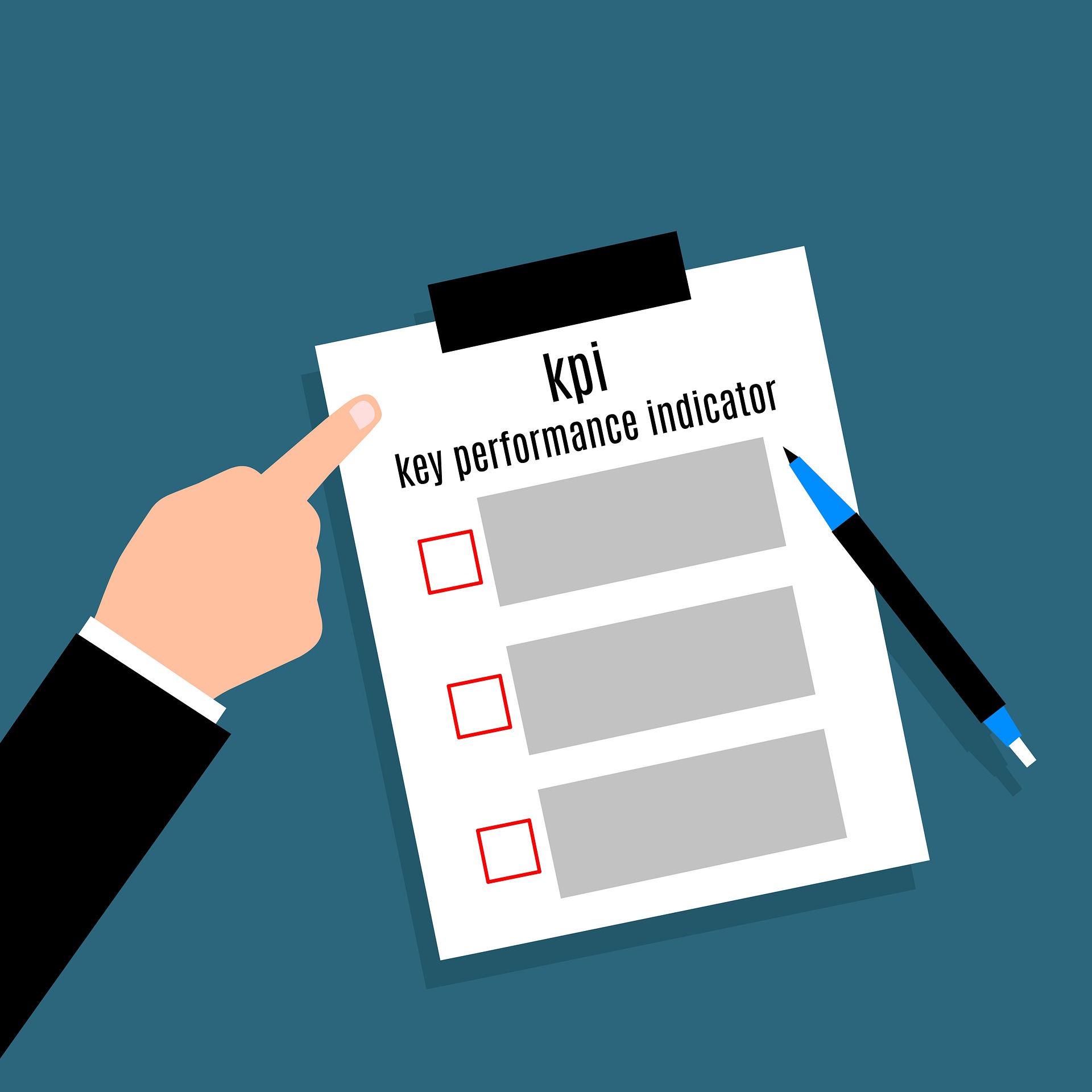 In most non-profits, performance is measured by presence, activity, and output.

Recent Comments