by virtualworks | Sep 12, 2022 | Transcript
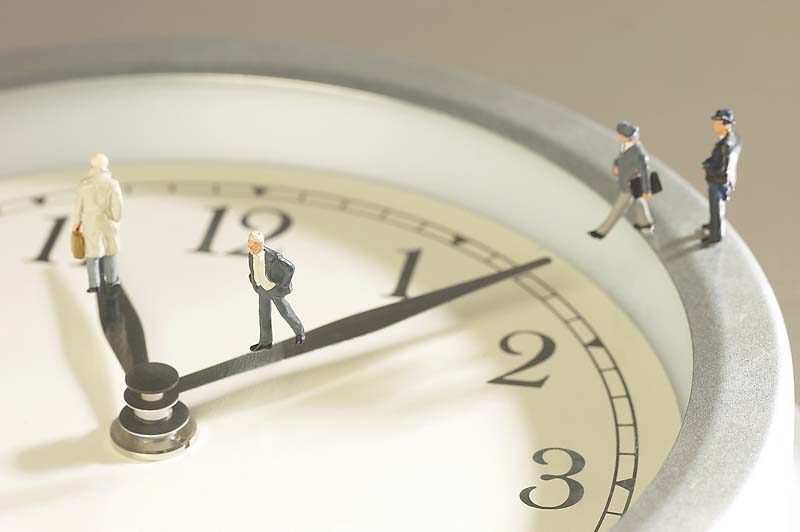
Boundaries Really Are Important – Podcast Transcript
Barbara: Hi, I’m Barbara Best and this is Humans Working Remotely. A podcast where I’ll show you how to meet the expanding needs of your organization by utilizing alternative solutions for operational staffing. Through expert insight and meaningful conversations with business professionals, we’ll talk about common challenges and proven strategies that will provide you with more time to focus on your organization’s mission, relationship building and other high value growth activities.
Barbara: We can all admit that working on nights or weekends has happened on occasion. But remember that all work and no play will make you cranky from day to day. If you’re feeling you’re like your work is creeping into your personal time, here’s a few steps to help establish reasonable healthy boundaries for you and those around you. Keep in mind that these tips work whether you’re working in person or remotely. Number one, avoid work devices after hours. I don’t want to get into the concept of addiction. But some of us really have an addiction to our phones. Kerri, you can probably relate to this I personally, I’m not addicted to my phone. I use it as a productivity tool, I use the timer, I use my calendar, but when it’s 4:30. and time to go, that sucker gets turned off.
Kerri: Yes. Yes, I’m the same. Although it’s it takes me it takes me time to transition to not having it. When I’m working I turn off unless I have like, I’d rather use timers instead of on my phone. I’d rather have them sitting on my computer so that my phone isn’t something I have to handle because I know I have the weakness. Oh, oh, well, I just checked these notifications, and I’ll check these and it’s like that get lost. So that’s Yeah, that’s one of the it’s a big challenge for me at times. But then the other times I just set it aside and I don’t even use it. So make a difference.
Barbara: Yeah, good for you. So these avoiding work devices after hours, that’s also setting a boundary around your work day as well.
Kerri: Yes.
Barbara: You need to define your office hours, like nine to five or whatever it happens to be Monday, Wednesday, Friday, whatever it is, and let your clients and colleagues know that you’re available during these times.
Kerri: Yes.
Barbara: Really. I mean, you can cheat. And I know we’ve talked about this before. You can cheat and write emails after hours. You can also schedule them ahead of time to send, leave them in draft or Gmail I know and so out and so does Outlook. You can delay send. So you can write your emails at night, schedule them to send at nine o’clock the next day. And you look like you’re in your office right at nine o’clock. Yeah. makes you look really good.
Kerri: Yep. Well, on the other, the other option is even if you don’t want to try and find those things to do the schedule send, because it’s just one more thing that’s going to take up your time. Leave it like you said, leave it in the draft mode, and then whenever you because I mean, I know that successful people successfully time manage people have specific times of day that they’ll check their email. So if you if you do respond as I mean, because a lot of times I work late at night sometimes because I’m just getting the mood, right, but I don’t want my emails to go there. So I’ll just tuck it away. And then when I know, I’m going into the into my time to check my emails, it’s like, oh, yeah, I got these I have to send, and then I send them. Because otherwise we have if we don’t do that we’re teaching people, if they get an email from us at nine o’clock at night, then they’ll think that they can write back to us, and then respond. Well, you did it before.
Barbara: Yeah, you’re setting a precedent for sure.
Kerri: Yeah. And I remember one of my business coach used to say to me always start the way you want to finish. Right? And and you have to teach people from the beginning how to treat you. If you don’t respect your hours, and you don’t teach them to respect them, they won’t. The other example is when somebody says, Oh, well, you know, you’re just working at home. Can I come over after soccer practice tonight?
Barbara: Yeah.
Kerri: I work till five o’clock. Oh, you’re just I’ve had I’ve heard this on different different reasons. Yes. Oh, and it’s always a just. Just you’re just working from home. As if somehow that that negates the value of the work you’re doing because you’re not in an office environment you’re in a home. And again, though you have but if you don’t, if you don’t say, no, you can’t come by after soccer practice, or no, I’m not going to work this weekend or no, you can’t come by on Saturday afternoon after you go shopping at Costco. No. Sorry, but if you don’t tell them and they get away with it once then they might tell you, especially depending on the city that you’re in, you know, or the community that you’re working in. One client will talk to another client. Oh, yeah, I went to by and saw her on Saturday. Well, then you get somebody comes back and says well, how come you won’t see me on Saturday at all? Yeah, you know, and it’s I had a worms that you just don’t even want to. So yeah, you have to really be clear about what your scheduled hours are and make people respect them.
Barbara: Yeah. And sometimes you try to be nice and polite. And sometimes people don’t pick up on those cues.
Kerri: No.
Barbara: I’m sure they don’t mean to be, you know, offhanded or disrespectful. But some people they just they just don’t get it. They have to be told point blank. Look. I’m here from this time to this time. Don’t interrupt me in between.
Kerri: Yep. And don’t ask me what it is. Yes, exactly. And and if we can keep in mind, I think because for me anyway, if when I have I’ve had people who who do not recognize social cues like that. And they don’t do subtle, and I understand not doing subtle because I didn’t I didn’t understand subtle when I was younger, and I partied I was said to somebody at a house party. Tell me when to go home because I’m having so much fun I’m not going to see you looking at your watch. Right. But you have to remember I had to well, I had to remember for me anyway, that when somebody is missing out on the social cues, I don’t think it’s intentional. I don’t think I choose to believe that generally speaking people are good. And if they’re not catching on catching the you know the the messages you’re trying to send subtly. Just come right out and say listen, it’s like a party. I gotta go to bed. You gotta go home. I love you go away. Yeah, right. I got I have work to do. I you know, it’s nice that you stopped by cuz some people will stop by. That’s the other thing too. They’ll stop by for a visit, because they know that you’re home working, especially now that everybody’s more people are working at home. Yeah, right. Somebody will pop by and think that they can chew your ear off for half an hour. And it’s like, I have to go. Yeah, I don’t know. I have to go. And sometimes you have to physically shut the door on. Yeah. And it’s hard to not be frustrated and angry with them. Yeah, right. Like, I find that it’s really hard to not be rude. I want to be rude. It’s like, Why are you being so desperate? They’re not being disrespectful. They’re just not thinking because that’s not where they’re headed. So you just got it? They don’t remind them.
Barbara: They don’t see your context.
Kerri: No. Exactly.
Barbara: They don’t understand. Yeah. That’s right.
Kerri: And that I find that the most challenging is is being kind, when they’re not getting the common sense aspect that I’m portraying. It’s like, Can you not just, they can’t, and you just got to be kind and help them and again, but it comes down to what’s going to be good for us. Right? We make sure we understand that they’re going to be better for us.
Barbara: Yeah, that’s right. Speaking of being good to ourselves, don’t kill yourself with overtime either. Right? This brings me back to corporate. I was tough slogging 12 hours a day lunch at my desk didn’t break. And I was extremely ill, totally stressed out, fried really. And no one, no one noticed. First of all, nobody gave me any kudos for all my hard work or, you know, working so late and getting things done. And I learned quite abruptly after I got laid off from that company, that the works going to be there tomorrow. Llike I shouldn’t have been killing myself with trying to get all these things done impressing people that didn’t even notice. You know, so the thing is there to give yourself permission to take some time off. Yeah, and your brain needs to rest your body needs to rest. And you know, absorb all that information and all that energy that you’ve expended, to have to rest and take it easy. I read a book a while ago called the title of the book is called Rest by Alex Soojung-Kim Pang, and the subtitle of the book is why you get more done when you work less.
Kerri: Oh, wow.
Barbara: It’s an interesting concept it’s sort of counterintuitive, but it’s absolutely totally true. That the human body first of all, can only do one thing at a time with 100%. focus. But also when you change your focus, or when you rest your brain, it gives your body a chance and your brain a chance to step back and think things through, therefore making yourself more productive.
Kerri: Oh, no question.
Barbara: Yeah. Some famous people in history, there’s a quote here in the flyleaf, Winston Churchill, used to take daily naps during World War II.
Kerri: Wow.
Barbara: Can you imagine, that’s pretty extreme.
Kerri: Yeah.
Barbara: Charles Darwin would go for hours long strolls, just to clear his mind and think things through, Bill Gates spends a week alone in a cabin, all by himself, just thinking about stuff.
Kerri: Yeah, I can totally relate
Barbara: And these are to them, they’re the true fulfillment of success. Giving yourself permission to do it, first of all.
Kerri: Yeah, exactly
Barbara: And then actually doing it as well. Would you agree Kerri?
Kerri: Oh most definitely. I work, I used to work in a collaborative workspace where self employed people would all come together like an office team. But we all worked on our own stuff. And I was doing exactly what you described working through lunches, working through breaks. And not that anybody ever scheduled me a lunch or a break. But I didn’t get up from my desk, because I was so excited about what I was working on. And I just wanted to get more done so I can do, because it was all for me. And that was the difference between doing it for somebody else. You know, I had I’ve done it, I’ve done it. We’re working in the government, when I’ve had jobs there that I do the whole thing, I get that I get trouble for that from the people who are there that tell me that I’ll make them look bad, because I just like to keep busy, because my time goes by faster. You know, but in this case, I my mentor, was in the same in the same office space with me. And he invited me for lunch one day, and we will let you in. He fought me to go for lunch. And it’s like, No, no, I went, he’s like, you haven’t taken a break, just let’s go for lunch. And we stayed for three hours. And I felt like I was drinking wine. But I was not. Like I drank water the whole time. But it felt like the whole whole chat. And the whole atmosphere around our lunch that lasted three hours, was so relaxed and relaxed and social. And his whole point was, and we talked about all kinds of stuff. And it wasn’t until closer to the end of the three hours. And I didn’t know it was gonna be a three hour lunch. At the end of it, he was explaining to me how important it is to just back off. And that, you know, you have to get up and you have to take breaks. And I. And he was right, of course, because I got back and found out that, you know, all of a sudden, I have more energy to do what I was doing and a different perspective and way more enthusiasm because I’m not dragging my butt. You know, and I remembered at that same place, I worked with a guy who used to do 20 minutes, he had a timer come on his computer every 20 minutes. And it would come on and he would stop working. And he would go for a walk around the office or he’d make a coffee or he just do something completely different. And then he would do that for 20 minutes. And then he would come back and do two more 20 minutes. And he was so damn productive. It made me sick. And I only because I couldn’t it didn’t work for me. I tried it and it didn’t work for me. So I know that there’s different ways you know whether it’s a longer lunch every once in a while or setting a timer, whatever. There’s lots of different ways that you can work as long as you include that time to step away, because then all of a sudden you come back with a new vision.
Barbara: That’s right. Did you know that of the Pomodoro Technique?
Kerri: Yes, I’ve heard of it.
Barbara: The Pomodoro Technique and pomodoro in case you didn’t know is Italian for tomato.
Kerri: Oh, I did not know that.
Barbara: Yes. And tomato pomodoro is the person who invented it in the 1980s Francesco Cirillo actually use a tomato shaped kitchen timer, to test his theory and start this working 25 minutes on, and then five minutes off. 25 minutes on five minutes off, And it the whole thing stuck in is called actually called the Pomodoro Technique. And named after the kitchen timer. It’s really cool.
Kerri: Not named after the guy that created it, just the timer.
Barbara: Just the timer! It’s shaped like a tomato. Yeah.
Kerri: Wow.
Barbara: So it’s it there. Again, it’s the same thing where you take a some amount of time working at your task, right and then taking a break and then alternating back and forth. Personally for me, I like 45 and 15. Because 45 minutes gives me you know enough time to get into what I’m doing.
Kerri: Yes.
Barbara: I don’t think 20 minutes on 20 minutes off would work for me because it’s not enough time to get into it.
Kerri: That’s how I felt. Yeah cuz I want to delve deep enough that I’m at least immersed in it so that when I do step away, I’m not feeling like I have to start all over again.
Barbara: Exactly. Yeah, exactly. But for your colleague, of course, if it works stick to it now.
Kerri: Yeah, he was super productive Made me sick.
Barbara: It’s, the secret is finding what works for you. Me, I set the timer on my phone, I don’t have a tomato shaped kitchen timer. I set the timer on my phone. 45 minutes on 15 minutes off. And I keep doing that. And I get a lot of stuff done. And I’m very focused in those 45 minutes because I know I have a timer on.
Kerri: Yep, that makes sense.
Barbara: So it kind of shifts your thinking a little bit.
Kerri: Right.
Barbara: So and yeah, and then you’re rewarded with a 15 minute break, go get a cup of tea, go for a walk, whatever it is.
Kerri: Yeah, that sounds like a really good idea. I like that. Actually. I’m gonna try that one because that sounds like it would work for me.
Barbara: Yeah. And of course the other strategy I use is taking a day off regularly. As a business owner, I can do that. I can take time off whenever I want.
Kerri: Yes.
Barbara: May not be as easy for employees, but the point is, you just take a day off, don’t do any work, don’t check your email, don’t do calendars, don’t do your diary, don’t do anything, just go and do something for a day. Take a complete brain break and you’ll come back the next day relaxed and refreshed, new perspective got fresh air in those gray cells. And it really helps cope with the day to day, don’t you agree?
Kerri: I do agree. I do. I’m like you said though, with companies, they give you time off, they give you scheduled holidays. Well, usually. And but for me, what I found was a struggle, as a self, as somebody who is self employed, yes, I have that control. But then there’s all this little things that need to get done that I have learned to call administrivia. And as little tiny, you know, regular day to day, tasks that have to be done. And I found that I was using my days that were going to be productive, doing all kinds of that crap instead. So what I have learned is that those little tasks that can be done by anybody, they’re not specifically geared that they have to be done by me, delegate them. And then when you do have a good one that’s taken care of, you do have time to take a day or an afternoon off. And you’re not thinking about all the little things that are piling up. And you get to have that that break. Because until you’re I mean, like for you, you’ve worked really hard to get where you are, with 16 years in this in this role that you’ve had after your corporate life, so that you found your rhythm. And but I know for a lot of people who are, you know, not as self employed for as not as long as you it’s hard to take that time away when you’re, you know, because everything’s just it’s your baby, it’s your business, you’ve got to do stuff.
Barbara: I know, right.
Kerri: But like I say, it’s wonderful that you’ve got that I’m just I’m still learning. But that was one of the things that I learned was to just take the little tiny little things off your plate that just there a time suck, and an energy suck. And it doesn’t you don’t feel better when they’re done, because it seems like they never stop.
Barbara: That’s right.
Kerri: Right. So being able to just hand them off to somebody and I’m going for I’m leaving, I’m going for a walk, I’m taking the day, whatever. And you don’t even have to tell anybody when you’re self employed except.
Barbara: No I know. It’s great.
Kerri: So yeah, that makes a huge difference. Again, all of every one of these things so far, all of them come out to personal boundaries, regardless of business.
Barbara: Yep.
Kerri: Right.
Barbara: And also, and the other side of that, too, I think Kerri, is giving yourself permission to do those things to take the day off to take time, your work sessions, you know, it, you have to allow yourself that time you have to tell yourself, it’s okay to take a day off. It’s gonna be there tomorrow.
Kerri: Well, and if we don’t tell ourselves, sometimes it doesn’t get said.
Barbara: That’s right. It’s true.
Kerri: And then we’re then we’re constantly beating, beating ourselves up for not getting things done. And yet, if we take the time away, that’s the other thing too, I found when you take a break, and you’re able to step back, as I remember, somebody said, don’t ever judge what you’ve done by what you see as on as what isn’t done. Look, you know, sometimes people are too far looking too far forward, that they get to see how much they’ve already accomplished by looking.
Barbara: That’s right.
Kerri: And if you take that take a step away. And you come back, I have found that I have more of a an appreciation for what I’ve done, to get me to where I’m at, as opposed to that run in the rat race and, and having everything pile up and spinning and not having a break. And just like it’s never going to stop when am I going to get to stop? Right. So, uh, yeah, I think and again, all of it’s just coming down to making sure that we take care of us in ourselves. In every aspect.
Barbara: It’s very, very important to take care of us. Yes. And I can even be brief by saying women especially.
Kerri: Yes, very much.
Barbara: We’re bad at taking care of ourselves, because we take care of everybody else first.
Kerri: Yeah. Because that’s what we’ve done. That’s Yeah. And that’s society has done that. And, and it’s not a bad thing, because it started when it started when it we needed it.
Barbara: Yeah yeah yeah, but still.
Kerri: It was our role. But there’s so much more now. No question. There’s so much more that if we don’t and, and the other part of the other side of that, too, is sometimes we have to remind people, as women that we have just as much right. As somebody else. It’s like, oh, I’m going golfing on Wednesday.
Barbara: Well, yeah, you do that all the time.
Kerri: Yeah. Well, that’s great. But what if you don’t golf? Right, then it’s like, well, yeah, why would you take well, why wouldn’t I take golfing and so on. So it’s good. You know what I mean? So, again, that’s the to me, I find that that’s another thing with the women aspect. It’s like sometimes we just have to remind people, then yeah, I need that break. Just like you need that break. Okay.
Barbara: Yeah, that’s right. Yeah. Yeah, we do have to put ourselves first so we can be on top form for everybody else.
Kerri: Yeah, exactly.
Barbara: No. Yeah
Kerri: I agree.
Barbara: Yeah. So thanks, Kerri, for joining me again for this wonderful podcast. Fantastic conversation as always.
Kerri: Oh you’re welcome. Thank you for having me.
Barbara: Interesting perspectives, and I look forward to our next podcast.
Kerri: Me too! Thank you.
Barbara: Okay. Take care.
Kerri: Okay. Bye, bye.
Barbara: In closing, I’d like to thank you so much for listening today. I hope this information was helpful, and I look forward to providing more. I’m Barbara Best CEO of Virtual Works, Inc.
There’s a couple of action steps you can do:
©Copyright 2022 Virtual Works Inc.
All rights reserved
DISCLAIMER
This material is provided for educational and informational purposes only.
No responsibility can be taken for any results or outcomes resulting from the use of this material.
The author does not assume any responsibility for the accuracy or use/misuse of this information.
by virtualworks | Aug 15, 2022 | Transcript
Learning Styles – Podcast Transcript
Barbara: Hi, I’m Barbara Best, and this is humans working remotely. A podcast where I’ll show you how to meet the expanding needs of your organization by utilizing alternative solutions for operational staffing, through expert insight and meaningful conversations with business professionals will talk about common challenges and proven strategies that will provide you with more time to focus on your organization’s mission, relationship building and other high value growth activities.
Did you know that there are three basic types of learning styles, the three most common are visual, auditory, and kinesthetic. To learn, we depend on our senses to process the information around us. Keep these ideas in mind when you’re presenting to your next potential client, to let them know how great you are, are when you’re doing your presentation. With me today is my colleague, Kerri, and we’re going to discuss and explore these areas of learning and provide more insights. So Kerri, what do you think? What do you think about these three areas? Or do you find one more popular than the other or so everybody different?
Kerri: I think everybody’s different. And the challenge is creating presentation, because you can’t go to everybody and say, so what kind of learner are you?
Barbara: Yeah, exactly.
Kerri: A lot of a lot of people know. And then there’s another chunk of a lot of people that have no clue. They just, they learn. And then and they couldn’t tell you what it is about learning that works. And if they have had a bad experience, they don’t necessarily blame it on the way it’s taught, but the teacher, and a lot of times, that’s not the case. But that’s so that’s the challenge. It’s I think it’s a it’s a mixed bag, it’s just a matter of finding ways to create a presentation that will help everybody from each area.
Barbara: Yeah, and I think everyone has maybe different amounts of each type of learning style in them. There’s a combination of all three and it depends on the delivery mode, I’m sure, learning via zoom, which we all do today, is much different than learning in an auditorium for example.
Kerri: Yes. Or or at a big boardroom table. Yeah, again, yeah, so totally different. But what we have that’s the key, right, we have to find a way to make sure we can reach everybody on some level, and then hope that they can grasp and move forward from there with what they need to know.
Barbara: Yeah, yeah, for sure. I’m a visual learner first, when I need to learn something, I read books, I collect books, but I also read a lot of books, I do a lot of reading. That’s how I learned. And as I’m reading, I also take numerous detailed notes. I’ve got stacks of tape flags that are right next to me. And I especially remember when that book came out The Da Vinci Code, when it was first published, it was this fantastically huge, it looked almost like an encyclopedia glossy pages, and there was pictures in it and as well as the the text or narrative of the book. And I just happened to open it, it was my husband was reading it at the time. And I happened to open it one day and I I literally got sucked right into those pages. Because it’s it there was color pictures, there was this wonderful context and text in this lovely writing and everything. And I could not put that thing down. And so that’s when I learned hey I must be a you know, I’m a visual learner, because I just, it just draws me right in. And I’ve never forgotten the book, which is one of my favorites, not because it’s controversial, but when it was in first print, it was in this lovely, almost encyclopedia bound issue with, you know, lots of color, and you know, it was just a wonderful experience that I still remember to this day.
Kerri: I don’t have a specific book like that. But I do have, when I I have reactions to books that I can feel the paper difference. And where I can so, because I know I’m a kinesthetic learner. I mean, for me, it’s when all else fails, read the directions. I unless I’m studying for school, I used to write notes constantly, because that’s how I studied. But when it comes to learning, I would rather sit there and watch it and then have somebody let me do it so they can watch what I’m doing and learn. But with a book, I get sucked into books. I love to read anyway. But if I had a book that has the gold leaf that you can feel, or the really old, like not even old, sometimes old, sometimes new, but the way that they’re bound, and the materials they’re bound in, that feeling to me will just make me that much more engaged in the idea of the book, regardless of what the books about. Yeah, feels nice. So yeah, I’m all about that experience. That personal experience.
Barbara: Yeah, I agree completely. And I, I’m a paper book person, I’m I do have an E book reader, I’m not so keen on the e-books. For that reason. I love the smell of the ink and the paper. And the smell when you open an old book, or you take off the flyleaf, or, you know, it just it’s just a totally different experience. And that’s where visual learning comes into play I think.
Kerri: Even the turning for me I find it’s the turning of the pages.
Barbara: Yes, yes.
Kerri: It’s scrolling or pushing a button. I have an old COBOL so if you push a button, and it moves, because it’s old. I miss turning pages. I mean, I was never one to fold down pages. But I missed the sound of the pages turning?
Barbara: Yeah, I know.
Kerri: It’s just it’s, it’s bizarre. The other thing I wanted to stick in here about visual learners that I discovered when I started doing presentations, you can’t give somebody a presentation where you want them to listen to you, and you want them to read. Because it uses the same part of the brain, to read and to listen. So they can’t, they can’t do both. And if what so when I was doing it, I was always having I would have imagery on screens, and then I would talk to it or just like a total not words. Total, not words, that makes no sense. But anyway, imagery and and, you know, stuff that would make the point without it’s all you have to read this. Because a lot of times I’ve been in workshops or presentations, and basically they’re putting on the screen, the exact same words that they’re reading. And if they’re not exactly, they’re so close that you notice when there’s a mistake. Totally defeats the purpose as far as I’m concerned. Anyway, it was a really good it was good to, for me to learn that because I’m not a visual learner. So I wanted to, you know, when I found that out, I was really grateful, because I know it makes it easier for people who do learn that way to do it right for them.
Barbara: Yeah, that’s all. And that goes back to talking to a potential client. If at all possible, try and find out how they learn. So then when you’re speaking or giving your presentation, you have the most impact. And they’ll go away thinking, Oh, yeah, I’ve really got what they do. Now. I’ve got to remember that yes, you know, right.
Kerri: Yes. And it’s not about the challenge. It’s the challenge is not always easy to get the information from them. But if you’re talking about doing a presentation for them, say they asked you to do one for your team. Find out which one of the presentations they’ve had, were most successful with the team. That would be a good way. Because it’s not like, again, can’t really say well, how do you look to learn? But if you can find out how you know how the team has responded to different types of presentations, then you’ve got an end like you say, and you come up, you know, shiny as a gold diamond or gold bell, because you’ve come through and you’ve given this great thing, meanwhile, you’re just using the information they gave you that said,
Barbara: That’s a great idea.
Kerri: Yeah. Because then you find out
Barbara: Great idea. Yeah. So then how does that impact auditory learners? Kerri, what do you think there?
Kerri: The, for me, the most important thing that I have heard for with auditory learners is they, you need to have an environment that lets them convey back to you what they’ve heard. And that’s the way that I have been taught to teach is, you say something, and then you clarify that they heard you properly. When you have an auditory learner, I think it’s very important to always have an opportunity for questions. It cannot not questions to go into detail that might be answered later in the presentation. But a clarification question, because sometimes when something is explained, and you use, you might use phrases that are not familiar, but if you can reframe it, for that auditory listener, you’re giving them the opportunity to get it because maybe again, like you said earlier, somebody may be an auditory, but then they may have another aspect that’s important to them. So, some, somebody might hear something auditory, but they’ve got it, they can visualize an experience in their head when they’re having it. And if they don’t get the right words to mesh, then they’re not able to get that clarity. So I, I find, it’s always good to say, is there any questions? Or does this make sense or something along those lines, just to give people chance for feedback, so that they and they have, and it’s really important to give it so that it’s not, doesn’t seem like you’re impatient. And I know that nobody would set out, I want to believe nobody would set up just to be impatient. I just want to get through this presentation. But sometimes that’s how it comes across. So I think it’s really important that we, you know, take our time and take a deep breath, and imagine we’re talking to a little tiny person, and, and being kind. And it’s like, Do you understand what I’m saying? And this is, but you’re not you’re not being condescending at all, but you’re giving them that that safety of, you know, the opportunity to have the form to challenge what you’re saying, say, I’m not really sure what you mean, or do you mean like this or this? Right, because that can make a huge difference in how people walk out of a meeting.
Barbara: Yeah, for sure. And it is always the good technique to ask people to confirm back. And that invites dialogue and open conversation. So it’s, you know, a combination of all those things that really goes a long way to engagement, especially on the auditory side of things as well.
Kerri: And that’s where you were mentioning to about the difference between being on zoom. And that’s again, that’s even that can that’s that that applies to visual as well as auditory, and kinesthetic. Kinesthetic, all the next one we’re going to talk about is the case. Yeah, all three of them. Auditorium versus a boardroom versus zoom.
Barbara: Yep.
Kerri: And all three different learning styles can be there. So that’s that. And that’s a key. Oh, one more thing about auditory listeners, people who are people a lot, some people who are auditory listeners are called Why Listeners. They’re very impatient. People listen for different reasons. If you are talking to somebody who is a why listener, they want to know why they should give you their attention right away. And if you miss the boat, and you don’t give them that what’s in it for me answer, you’re going to lose them. So that’s another thing to keep in mind when you’re talking and you’re presenting or developing a presentation. You want to make sure that you’re able to identify the very beginning, why they should give you their attention in the first place. And then, I mean, besides the fact that that’s what business is like, please, give your attention. I’m asking for it. Let me tell you why. Right away.
Barbara: Yeah, that’s right. Yeah, yeah.
Kerri: When you have a why listener that’s a key, because if they don’t get it right away, you won’t get them back.
Barbara: They’re gonna walk away. So you know, that you have, what’s that phrase? You have?
Kerri: Oh, with the 30 seconds?
Barbara: 30 seconds to make a good impression or something?
Kerri: Yes.
Barbara: Yeah. Well, there it is. Right there. If you can answer their why question, especially a prospective client, you’re gonna lose them.
Kerri: Sure enough.
Barbara: Right.
Kerri: Most definitely. Yep. And that’s and then you can’t usually get them back because of the patient thing that usually turns to anger. It’s all gone. It’s a waste of my time.
Barbara: Mm hmm. That’s right. Yeah, it is. Yeah. You know? Yeah. And then what about kinesthetic learners? I, I remember as when I was going through college, I just, you know, I realized that, that I learned better or learn, maybe it depends on the context too of what you’re learning, that I do enjoy learning by doing as well as by reading. So I, what are your thoughts on that?
Kerri: Well, I, as I said earlier, I’m, I am primarily a kinesthetic learner, I would much rather get my hands in and get them dirty. I do like to read direction. Like you said, there’s a little bit of both in everybody. The biggest thing that I learned about kinesthetic learners, I didn’t know, when I was a kid, I never knew what it was, they didn’t take pay attention to stuff like that when I was young. And I’m in my 50s, so that’s dating myself, but that’s okay. But we didn’t know. And yet my daughter when she was in school, she was identified in grade three as a kinesthetic learner. And so they knew that she needed to be up and moving so she was the one that would hand out the pencils, or she was the one that would take attendance down to the office, right. And by the time she got into grade five, they had a corner of the classroom that was all carpeted off, so she could lie on her stomach and swing your legs. So I discovered with her the different things that people need to do like the movement, and I mean, you know, just being able to, like when I was saying about the the differences with the three different forums that you mentioned earlier with the auditorium, and some places you can sit and swing your leg, some places you can’t. If you’re a kinesthetic learner, and you can’t swing your leg while you’re listening, you know, when you can’t move, or you can’t stand up and stretch when you need to, you’re going to lose that person. So you want to again, those are the things that you want to keep in mind when you’re creating the environment that you’re going to be presenting into. Have a chance every 20 minutes to stand up and do a stretch. I say, focus for more than 20 minutes at a time without changing direction, have everybody get up and move a little bit, do a little dance and be goofy. And then you’re going to be able to keep everybody’s attention.
Barbara: Yeah. So and you also need to actually if, like, if you’re in a board meeting or something, you do need to invite engagement. And let people relate to them their experience that we can contribute to the meeting or to the group.
Kerri: Yes.
Barbara: And that too is involved in there as well in kinesthetic learning, to engage and I don’t know if give permission is the right phrase, but allow other people to relate their experiences to the context that you’re talking about.
Kerri: Yes. And I think that I think that’s that’s an excellent point Barb, because what I have found is that until one person speaks up, nobody will.
Barbara: Exactly.
Kerri: And if you can get if you can get one person engaged with the feedback and come across that you’re in a safe environment, you can ask questions, share your experiences, that’s going to benefit everybody, no matter how they learn, everybody’s going to benefit. But it always, I find, it always takes a little nudging to get somebody to come right up, and when I’m in a group, I’m always the first one to volunteer, because I want my answer.
Barbara: Doesn’t surprise me.
Kerri: But what I find, though, is I’m the first one, and I always wait, I don’t just put my hand up first, like, you know, the kid we hated in high school. And then I don’t I never do that. I always wait. Because I know that I have no qualms with asking questions. But when nobody else asks, then I do and then people will start to ask if other people do, I hang back. And I wait. And then you know, as as the questions kind of peter off, then I’ll ask, but if nobody’s asking, I jumped up, and I’ll jump right in and I’ll say, I don’t understand or, and I, and I’m being honest about what I need for more information. But I also feel like I’m setting the stage to say, I’m here, and I’m ignorant. And I need to ask the question, so feel free to ask one with me and we’ll be learning together. Right? Because a lot of people are really nervous about asking questions, right? They walk away from the meeting. It’s like, I don’t know what the hell that was about.
Barbara: Yeah. And I do that too sometimes in a meeting, I will quite often ask a question, just for the benefit of those in the room.
Kerri: Yes, I’ve done that too.
Barbara: Whether I know the answer, or I don’t, I’ll still ask a question. Just to you know, like you just said, Kerri, get the ball rolling and get people, you know, start to thinking about, you know, maybe speaking up a little bit. And I’ve also noticed, too, the context of a meeting is much different too if you’re in a smaller group, right, say a room of I don’t know, five people, it’s a much different dynamic than if you’re in a room of 50 people.
Kerri: Oh, and even 10. 10 or 15, from 5.
Barbara: Much different energy there. So I think people are more much more comfortable in small groups. Anyway.
Kerri: I agree. Further to what you said about asking the question, even if you know the answer for the sake of the room, I think it’s also a good, that’s a good practice for the presenters to hear, because it’s letting presenters know that maybe they could be a little more detailed in their explanations, so that they’re not ending up having to have somebody say, well, can you clarify, because that’s kind of vague.
Barbara: Yeah. Right.
Kerri: If somebody did that to me, and I was presenting, I’d be making a note of that going, oh, I need to tweak how I say this because clearly my message is not coming through without clarification.
Barbara: Yeah. Right.
Kerri: So you’re actually helping the presenters when you’re making those asking those questions. But more so you’re helping the people in the group. Because then they’re oh, yeah, she’s asking I can ask now.
Barbara: Yeah, exactly. Yeah. We’re so human eh? We’re just so human. Do you have any other perspective, Kerri, on any of those three areas of learning?
Kerri: Oh, my, the one thing that I can say is when you know how somebody learns, keep it in mind always because, and again, this goes back to my daughter, and she was young. But it made such a difference for her knowing that she learned in a different way. And she advocated for herself. So it’s and it’s it’s similar to what I was saying about making giving the opportunity for people to feel safe asking questions, right. When my daughter was growing up, by the time she got to high school, she had advocated for herself. And it’s like, well, you need this. Well, you need to ask for this. Well, I don’t want to ask, do you want me to come to school? No! God forbid, mom comes to high school, right? And instantly, she started advocating, but it’s that same kind of thing for adults who aren’t accustomed to saying number one accustomed to admitting something they might see as a weakness where it is not a weakness. And they’re so they’re not accustomed to admitting it, and they’re not accustomed to seeking extra information to make it more palatable for them. Right. So I think it’s really important that yeah, that you, as long as you create a an environment that feels safe for your listeners, to have the freedom to ask questions asked by locations, given experience of their own, you know, then you’re going to want you’re going to have people walking, but I’ve really enjoyed that presentation. Because more often than not, meetings are boring. And if you host meetings with, yeah, with the engagement, all of a sudden, it’s better. So yeah, what about you? Have you had like, any, any awfulness that you had to deal with where people were not as receptive or if you were in it, and you didn’t have the you were given the opportunities to do the learning styles, and you were finding and noticing a difference in your class? Have you had any opportunities to to talk about that?
Barbara: Yeah, I’m still trying to figure out what you were trying to say. Because, you know, not an auditory learner.
Kerri: No no if your experience of yours. Have you found that when you were able to engage the learning styles as you learn them from your group, did you have Have a better experience?
Barbara: Yes, of course. And it’s, it’s quite often, in my experience anyway, kind of a tough thing to nail down. You know, you’re delivering your content, I prefer small rooms, small meetings, as you’re delivering your content you, in my experience anyway, I didn’t know learning styles of the people I was working with. Right, right, you know, beforehand. And then as I started presenting material, I kind of got a sense you kind of, I guess, the way people act or what they say or they don’t say, or if they’re not engaged, they’re not even looking at you. You can kind of figure out what kind of learning style they have.
Kerri: Yes.
Barbara: And then I learned how to adapt very quickly. And then I just customize my presentation to the people in the room. And before I know it, the energy is lifted. It’s much more engagement because I’m paying attention to each person’s needs. I know the person. Yeah, the person at the back of the room who’s not looking at me, but I know they’re listening. Yes, I know. They’re an auditory learner. Yep. And then the person who is looking impatient or pissed off or whatever, they are an auditory learner.
Kerri: Yes.
Barbara: And then you’ve got the person who’s, you know, kind of looking anxious like, when are we going to actually learn this stuff? Like, what? I gotta do something. Of course they’re kinesthetic learner.
Kerri: Yeah. Yeah.
Barbara: And then you’ve got the people who are, you know, you say something or you present a concept, oh, where do I find that? Where can I read? They’re a visual learner.
Kerri: Yes. Or they’re always in the front yes. You know, though, it’s so good that you are aware of those things because someone less experienced than you might be offended if somebody was in the back listening and not not not they might not know that they’re listening, all they see is they’re not looking. And that could make somebody feel really…
Barbara: Offended.
Kerri: Yes. Offended or or crestfallen if they work really hard on their presentation so that’s, that’s a really good piece to mention, I think because people will, people will realize can realize that, just because you’re not seeing the engagement doesn’t mean it’s not there.
Barbara: Exactly. Right. Exactly. I found that with I was giving a lecture at Ottawa U, Telfer University, about oh, five or six years ago, and it was in one of those lecture halls where the seats rise, they go to the back of the room. And the professor said, See those guys at the back of the room there, they’re staring at their laptops, they’re actually listening to you. They just don’t look like they are. So just do your thing. And I thought, oh, okay, cool. I’ll do that. Yeah, yeah.
Barbara: And the other thing I’ve learned too, and I’ll leave you with this thought, I read in a book called, The Way We’re Working isn’t Working by Tony Schwartz. I learned in there and it still sticks in my mind that the brain cannot do two things at the same time with 100% attention. It’s not possible. The brain is not programmed that way. So this concept we have, especially in this day and age where everything’s fast track and got to do it. This concept of multitasking, quote, unquote, is a total myth. Yeah, just we may think we’re multitasking, we’ve got all these things on the go. But the brain is not giving 100% attention to any one of them.
Kerri: No, we’re just stretching our stress, stretching ourselves and stressing ourselves at the same time for no reason.
Barbara: That’s right. Yeah. So we made our mistakes, or we missed something or miss a deadline or a meeting or whatever. That’s could be the reason why. So very interesting. Our brain is so intelligent, it just, it’s mind boggling, no pun intended, that we’re programmed the way we are. it’s just so fascinating.
Kerri: I agree.
Barbara: So thanks very much, Kerry, for joining me today on this fantastic conversation again.
Kerri: Thank you for having me, it was fun.
Barbara: Yeah, yeah, it was thanks. Take care.
Kerri: Okay, take care. Bye bye.
Barbara: In closing, I’d like to thank you so much for listening today. I hope this information was helpful, and I look forward to providing more. I’m Barbara Best CEO of Virtual Works, Inc.
There’s a couple of action steps you can do:
©Copyright 2022 Virtual Works Inc.
All rights reserved
DISCLAIMER
This material is provided for educational and informational purposes only.
No responsibility can be taken for any results or outcomes resulting from the use of this material.
The author does not assume any responsibility for the accuracy or use/misuse of this information.

 Remote support was pretty much non-existent 25 years ago. Facebook didn’t exist 20 years ago. Times, they are a’changing…

Recent Comments